
- July 30, 2026
- admin
- 0
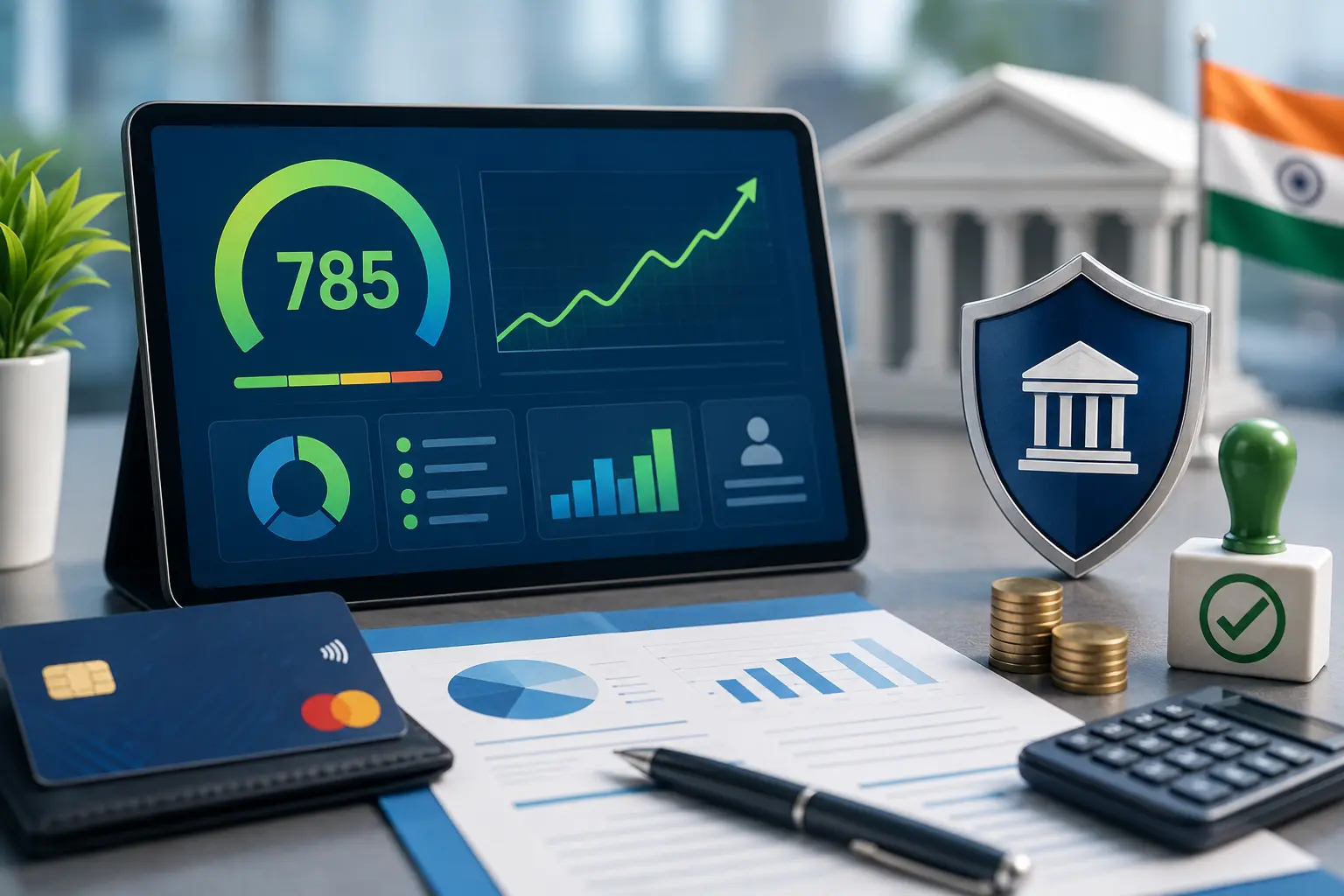
Whether you’re applying for a personal loan, home loan, car loan, or credit card, one factor plays a major role in the approval process—your CIBIL Score. A good credit score not only increases your chances of approval but may also help you qualify for better interest rates and higher credit limits.
In this guide, you’ll learn what a CIBIL Score is, how it is calculated, why it matters, and practical ways to improve it.
What Is a CIBIL Score?
A CIBIL Score is a three-digit number ranging from 300 to 900 that represents your creditworthiness. It is generated based on your borrowing and repayment history.
In India, this score is provided by TransUnion CIBIL, one of the country’s leading credit bureaus. Banks and financial institutions use it to assess the risk of lending money to an applicant.
Generally, a higher score indicates responsible credit behavior.
CIBIL Score Range Explained
| Score Range | Rating | Meaning |
|---|
| 750 – 900 | Excellent | High approval chances |
| 700 – 749 | Good | Eligible for most loans |
| 650 – 699 | Fair | Approval may depend on other factors |
| 550 – 649 | Poor | Higher risk for lenders |
| 300 – 549 | Very Poor | Loan approval may be difficult |
Although every lender has its own eligibility criteria, a score above 750 is generally considered favorable.
Why Is a CIBIL Score Important?
A strong CIBIL Score can help you:
- Increase your chances of loan approval.
- Get lower interest rates.
- Qualify for higher loan amounts.
- Receive better credit card offers.
- Speed up the approval process.
- Build long-term financial credibility.
How Is a CIBIL Score Calculated?
Payment History
Making loan and credit card payments on time is one of the most important factors affecting your score.
Credit Utilization
Using only a small portion of your available credit demonstrates responsible borrowing. Experts often recommend keeping utilization below 30% of your total credit limit.
Credit History Length
A longer credit history provides lenders with more information about your repayment behavior.
Credit Mix
Having a healthy mix of secured loans (such as home or car loans) and unsecured credit (such as credit cards) can positively impact your score.
New Credit Applications
Applying for several loans or credit cards within a short period may result in multiple hard inquiries, which could temporarily affect your score.
How to Check Your CIBIL Score
You can check your credit score through authorized credit bureaus or financial institutions that provide credit score services.
Before checking, keep these details ready:
- PAN Card
- Mobile Number
- Date of Birth
- Email Address
Regularly reviewing your credit report can help you identify errors and monitor your financial health.
How to Improve Your CIBIL Score
If your score is lower than expected, don’t worry. Building a strong credit profile takes time and consistent financial discipline.
Pay EMIs on Time
Never miss loan or credit card payments. Setting up automatic payments can help avoid late fees.
Keep Credit Utilization Low
Avoid maxing out your credit cards. Lower utilization demonstrates responsible credit management.
Avoid Multiple Loan Applications
Apply for credit only when necessary to reduce unnecessary hard inquiries.
Maintain Older Credit Accounts
Keeping older accounts active can strengthen the average age of your credit history.
Review Your Credit Report
Check your report periodically for incorrect information or fraudulent activity and report discrepancies promptly.
Common Reasons for a Low CIBIL Score
Several factors may negatively affect your score, including:
- Late EMI payments.
- Missing credit card due dates.
- High credit card balances.
- Frequent loan applications.
- Loan defaults.
- Errors in your credit report.
Avoiding these mistakes can help improve your financial profile over time.
How Long Does It Take to Improve a CIBIL Score?
There is no fixed timeline.
If you consistently make timely payments, reduce outstanding debt, and use credit responsibly, improvements may become noticeable over the following months. Significant improvements often require sustained good financial habits.
Does Checking Your Own CIBIL Score Affect It?
No.
Checking your own credit score is considered a soft inquiry and does not negatively impact your credit score.
However, when a lender reviews your credit report during a loan or credit card application, it may be recorded as a hard inquiry.
Tips to Maintain a Healthy Credit Score
Follow these best practices:
- Pay every EMI before the due date.
- Pay your credit card bill in full whenever possible.
- Keep credit utilization below 30%.
- Avoid unnecessary borrowing.
- Monitor your credit report regularly.
- Maintain a healthy mix of credit products.
- Use credit responsibly.
Final Thoughts
Your CIBIL Score is one of the most important indicators of your financial health. Whether you’re planning to apply for a personal loan, home loan, car loan, or a new credit card, maintaining a good score can improve your chances of approval and help you access better financial products.
Responsible borrowing, timely repayments, and disciplined credit usage are the keys to building and maintaining a strong credit profile.
At LoanSaarthi, we help you compare loans and credit cards from trusted financial institutions, empowering you to make smarter borrowing decisions with confidence.
Frequently Asked Questions (FAQs).
What is a good CIBIL Score?
A score of 750 or above is generally considered good by many lenders.
Can I get a loan with a low CIBIL Score?
Some lenders may approve loans for applicants with lower scores, but eligibility, loan amount, and interest rates vary based on the lender’s policies and your overall financial profile.
How often is the CIBIL Score updated?
Credit scores are updated periodically as lenders report repayment and account information to credit bureaus.
Does closing a credit card improve my score?
Not necessarily. Closing a long-standing credit card may reduce your available credit and affect your credit utilization ratio.
How can I increase my CIBIL Score quickly?
There is no instant method. The most effective approach is to make timely payments, reduce outstanding debt, and maintain responsible credit usage consistently.