
- August 4, 2026
- admin
- 0
A good credit score can make a significant difference when you apply for a personal loan. Lenders often consider your credit history and repayment behaviour while evaluating your loan application. A stronger credit profile may improve your chances of getting suitable loan offers and better terms.
If you are planning to apply for a personal loan, taking some time to improve your credit profile can be a smart financial step.
What Is a Credit Score?
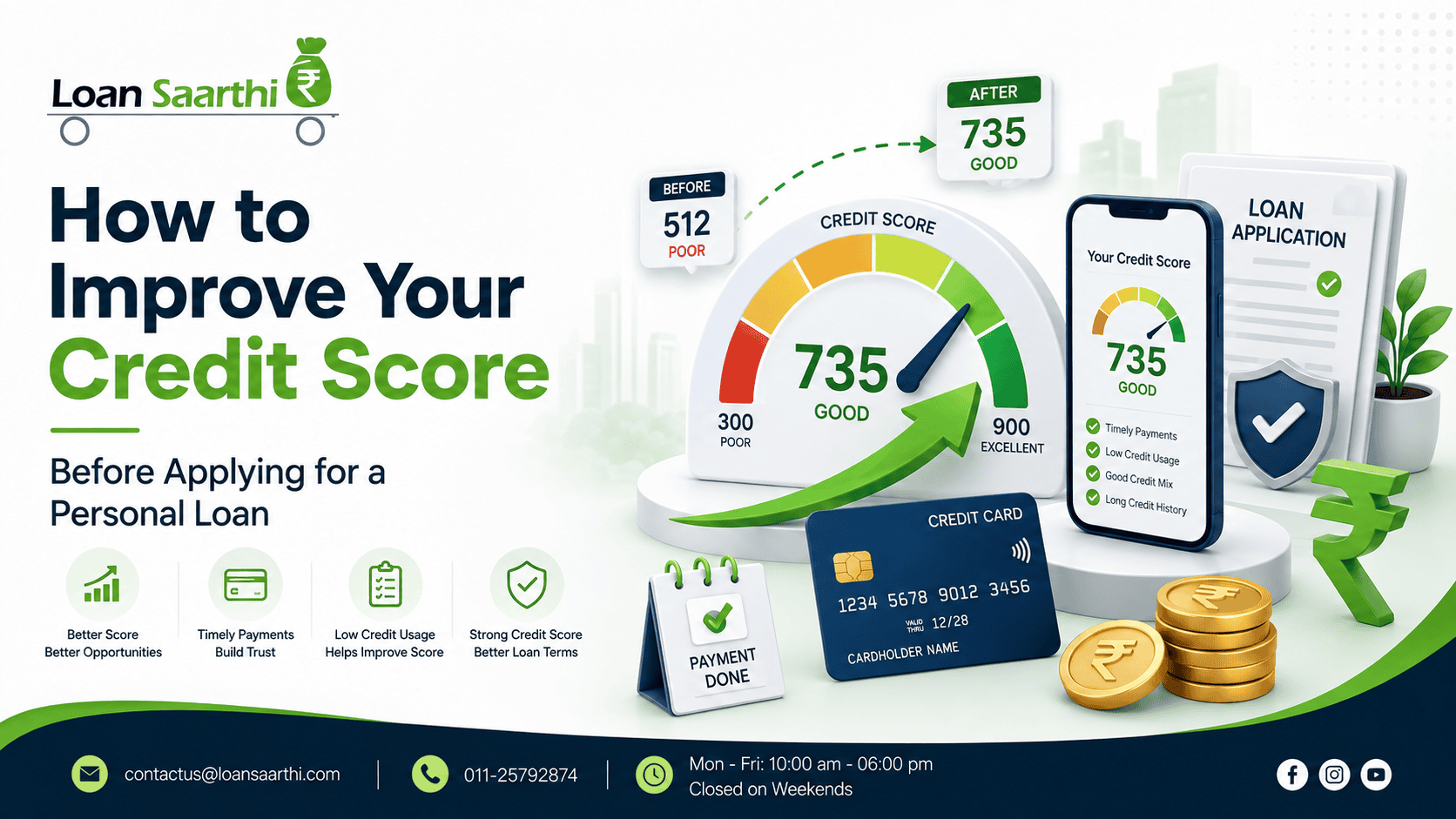
A credit score is a numerical representation of your credit history. In India, credit scores are generally provided by credit bureaus and are based on factors such as your repayment history, existing credit accounts, credit utilisation and recent credit enquiries.
Lenders may use your credit score along with other information to assess your creditworthiness.
Why Is Your Credit Score Important for a Personal Loan?
Personal loans are usually unsecured loans, which means they generally do not require collateral. Because of this, lenders may pay close attention to your credit profile when assessing an application.
A healthy credit score can potentially help you:
- Improve your chances of loan approval
- Access more suitable interest-rate offers
- Get higher eligible loan amounts, depending on your profile
- Receive faster processing from some lenders
- Build a stronger overall credit history
However, your credit score is only one part of the loan approval process. Income, employment, existing liabilities and other eligibility criteria may also be considered.
7 Ways to Improve Your Credit Score
1. Pay Your EMIs and Credit Card Bills on Time
Payment history is an important part of your credit profile. Missing or delaying payments can negatively affect your credit history.
Set reminders or automatic payments to help ensure that your EMIs and credit card bills are paid before their due dates.
2. Keep Your Credit Utilisation Under Control
Credit utilisation refers to the amount of your available revolving credit that you are currently using.
For example, if your credit card limit is ₹1,00,000 and you regularly use ₹80,000, your utilisation is relatively high.
Keeping your credit usage under control can help demonstrate responsible credit management.
3. Avoid Applying for Multiple Loans at Once
Submitting several loan applications within a short period may result in multiple hard enquiries on your credit report.
Instead of applying everywhere, compare your options carefully and apply when you are reasonably confident that the loan matches your eligibility.
4. Maintain a Healthy Credit Mix
A credit profile containing different types of credit accounts can demonstrate experience in managing credit.
However, you should never take a loan simply to create a credit mix. Borrow only when you genuinely need credit and can comfortably manage the repayment.
5. Check Your Credit Report Regularly
Review your credit report periodically for incorrect information, such as:
- Incorrect personal details
- Accounts that do not belong to you
- Incorrect outstanding balances
- Payments incorrectly marked as overdue
If you identify an error, contact the relevant credit bureau or lender to request a correction.
6. Don’t Close Old Credit Accounts Without Considering the Impact
Older credit accounts can contribute to the length of your credit history.
Before closing an old account, consider how it may affect your overall credit profile, available credit and utilisation.
7. Pay Existing Debts Responsibly
If you already have EMIs or other outstanding credit, maintaining regular repayments is important.
A consistent repayment pattern can help you build a stronger credit history over time.
How Long Does It Take to Improve a Credit Score?
There is no fixed timeline for improving a credit score. It depends on your existing credit history and the factors affecting your score.
If your credit score has been affected by late payments or high credit utilisation, consistently managing your credit responsibly may help improve your profile over time.
The key is consistency. Avoid expecting an immediate change and focus on maintaining healthy financial habits.
Can You Get a Personal Loan With a Low Credit Score?
Yes, having a low credit score does not automatically mean that you cannot get a personal loan. However, your available options may depend on several factors, including your income, employment profile, existing obligations, repayment history and the lender’s eligibility criteria.
Some lenders may consider applications with different credit profiles, but the applicable interest rate and loan terms can vary.
It is important to compare loan options carefully and avoid taking on repayments that you cannot comfortably afford.
What Documents May Be Required for a Personal Loan?
The exact documentation depends on the lender and your profile. Commonly requested documents may include:
- Identity proof
- Address proof
- Income or salary documents
- Bank statements
- Employment details
- PAN details
Some lenders may request additional documents during the application and verification process.
Apply for a Personal Loan With LoanSaarthi
Looking for suitable personal loan options? LoanSaarthi can help you understand available loan solutions based on your financial requirements and eligibility.
Before applying, make sure you understand the interest rate, processing fees, repayment schedule, applicable charges and other loan terms.
A personal loan should always be chosen after carefully considering your repayment capacity.
Final Thoughts
Improving your credit score is not about making one quick change. It is about consistently managing your credit responsibly.
Pay your EMIs on time, keep credit utilisation under control, avoid unnecessary loan applications, check your credit report and maintain responsible borrowing habits.
If you are planning to apply for a personal loan, building a healthy credit profile can help you approach the process with greater confidence.
LoanSaarthi is here to help you explore suitable loan solutions and make more informed borrowing decisions.
Frequently Asked Questions
1. What credit score is good for a personal loan?
There is no single score that guarantees personal loan approval. Lenders may have different eligibility criteria and also consider income, employment, existing debts and repayment history.
2. Does checking my own credit score reduce it?
Checking your own credit report is generally considered a soft enquiry and does not have the same effect as a lender’s hard enquiry.
3. How can I improve my credit score quickly?
There is no guaranteed instant method. Paying bills and EMIs on time, managing credit utilisation and correcting inaccurate information on your credit report can support healthier credit behaviour over time.
4. Can I apply for a personal loan with a low credit score?
You may still be eligible depending on the lender and your overall financial profile. However, eligibility, interest rates and terms can vary.
5. Should I apply for multiple personal loans to find the best offer?
It is better to compare available options first and avoid unnecessary loan applications, as multiple hard enquiries over a short period may affect your credit profile.